English verse scene comes up short assorted variety test
Study indicates artists of shading are underrepresented in the UK,
as Forward verse prizes report trailblazing wait lists
The British verse world is "neglecting to meet even the most fundamental estimations of inclusivity", as indicated by another report which features the "foundational prohibition" of artists and commentators of shading from UK and Irish verse magazines.
Gathering information from 29 magazines and sites including PN Review, Poetry Review, the Guardian and Oxford Poetry, the investigation found that in the vicinity of 2012 and 2018, 9% of very nearly 20,000 distributed sonnets were by writers of shading. Of the 1,819 lyrics, 502 were distributed in a solitary magazine, Modern Poetry in Translation; if this is removed from the condition, just 7% of ballads were by artists of shading. The studyPDF, directed by verse analyst and blogger Dave Coates for Ledbury Emerging Poetry Critics, calls attention to that interestingly, at the 2011 registration, 12.9% of the UK populace distinguished as dark and minority ethnic (BME).
At the point when the investigation broke down the race of verse pundits, it found a considerably starker separation: of right around 3,000 articles composed over the period, only 5% were by faultfinders of shading. While around 46% of ballads and articles distributed were by female or non-parallel writers and commentators, the examination found that male faultfinders were twice as prone to audit other men than ladies – an assume that rose to three times as likely at the Guardian, four times at PN Review, and five times at Modern Poetry in Translation.
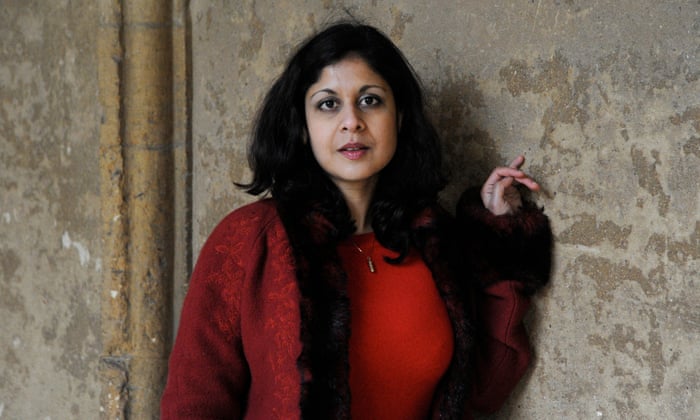
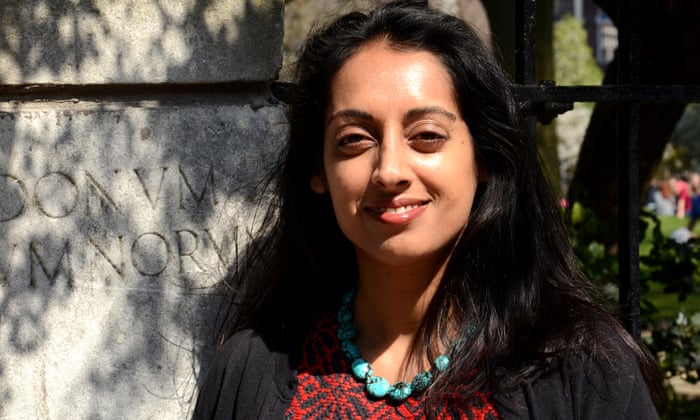
"With the end goal for writers to have a specific noticeable quality there must be audits, there must be a basic assessment of their work in the contemporary minute in which they exist – generally there is only an extremely skewed picture we have of individuals' significance," said artist and scholarly Sandeep Parmar, who dispatched the report. "We can see that in the twentieth century, and we can see it happening now. There must be sufficient basic consideration paid, and the correct sort of basic consideration – pundits who are proficient about race and learned about culture and personality and having a place."
Parmar said the report had just had an effect, with daily papers including the Guardian and the TLS focusing on charging more pundits of shading. She indicated the impact of a 2005 report which found that under 1% of writers distributed by a noteworthy press in the UK were dark or Asian; after the dispatch of assorted variety coaching plan The Complete Works, that figure presently remains at just about 10%.
"We've hit a vital minute in verse where there are bunches of artists of shading who are distributing now, yet feedback has not kept up," said Parmar. "It's tied in with opening up what we think British verse is. When I arrived 15 years prior verse was to a great degree white, in magazines, feedback and distributed accumulations. That is changed a great deal, and it is to do with ground breaking individuals."
She featured for instance crafted by the Forward prizes, the renowned honors for the best new verse distributed in the British Isles, which have recently revealed a waitlist for the best gathering which ranges from the US artist laureate Tracy K Smith, who is African American, to the Trinidadian previous victor Vahni Capildeo.
Bidisha, who seats the jury for the £10,000 prize, said the books "speak to the staggering assortment and broadness of verse today, with contemporary worldwide voices that are pressing, drawn in and moving".

Smith is shortlisted for Wade in the Water, a showdown of race and history in America. Capildeo, who took the Forward in 2016 for Measures of Expatriation and who is distinguished as "they/them" with regards to their work, makes the waitlist this year for Venus as a Bear, which gives a voice to the lifeless and non-human, from sheep to Roman relics.
The Scottish writer JO Morgan was decided for Assurances, a reaction to his dad's part in keeping up Britain's airborne atomic obstacle, which envisions the considerations of regular people, adversary operators and even the bomb itself. The waitlist is finished with the English artist Toby Martinez de las Rivas' investigation of history and philosophy Black Sun, and American Danez Smith's Don't Call Us Dead, which goes up against race and sex in America. Smith, a previous world verse pummel finalist whose lyric "dear white america" was seen 300,000 times on YouTube in only a couple of days in the wake of including on PBS NewsHour, is African-American, strange, sexually unbiased and HIV positive.
"The writers shortlisted investigate everything from sexuality and energy to race and character, atomic war to parenthood, the vestiges of the past and the difficulties that lie later on," said Bidisha. "Their styles extend from controlled tastefulness to energetic revelation, fresh formalism and reasonable meticulousness to melody like stream and wry journal style notes, however are for the most part searing and upbeat in their dauntlessness."
Altogether, Bidisha and her kindred judges read in excess of 200 accumulations to choose their waitlists, enough for her to announce the artistic expression in "thundering wellbeing".
As per Susannah Herbert, the chief of the Forward Arts Foundation, verse "has turned into the space for articulating the unsayable, the implicit, the unspeakable and this implies its where voices that have been truly hushed at last get the chance to be heard".
"No fortuitous event that deals are rising while those of artistic fiction are falling," Herbert stated, "it's simply all the more energizing at the present time." The champs of the Forward prizes will be declared on 18 September.
Writing in the report for Ledbury, Coates contended that barring journalists of varying foundations strikes at verse's capacity to comprehend "ourselves, other individuals and the world we live in".
"A generous number of gifted authors of shading as of now exist," he stated, "and the information in this investigation clarifies that the fundamental avoidance of those essayists is genuine. I encourage verse editors all through these islands to pay heed and make a move.